
Last updated November 14, 2026
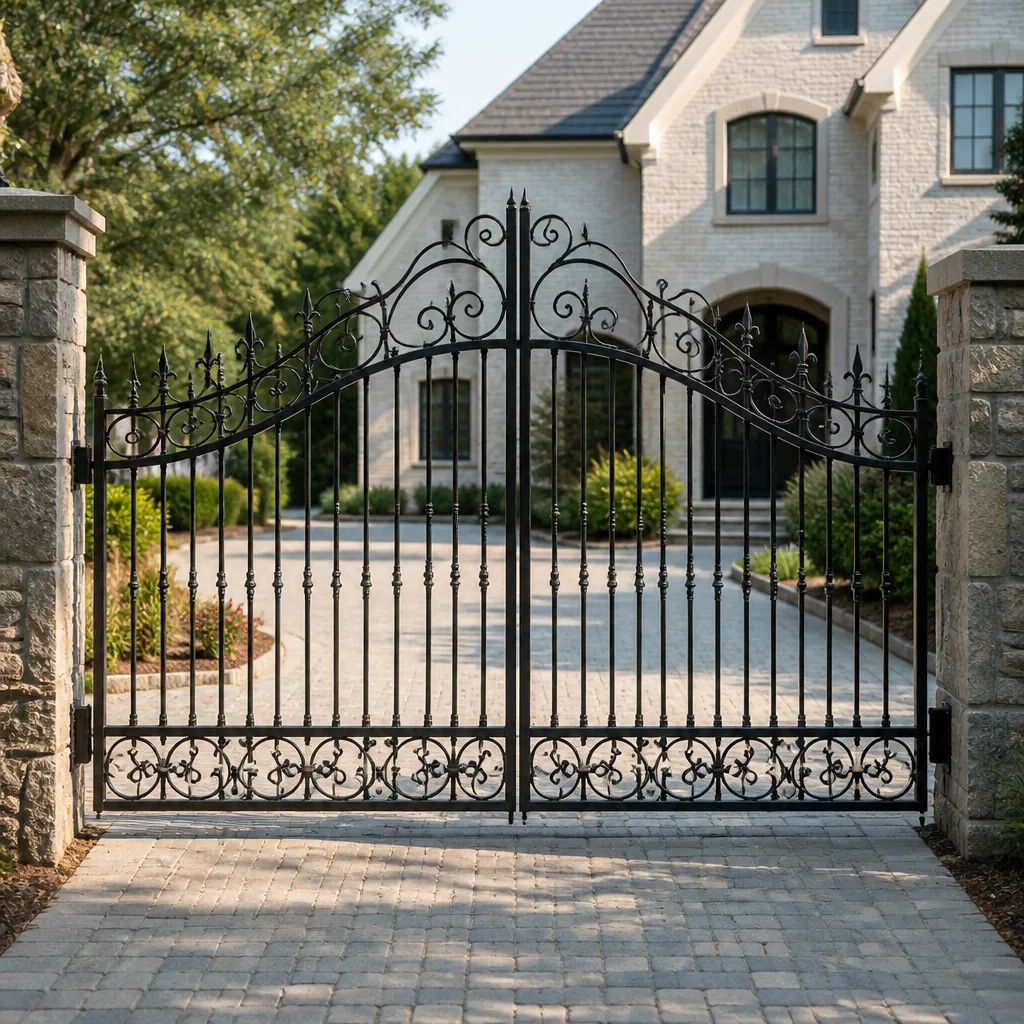 Wrought iron
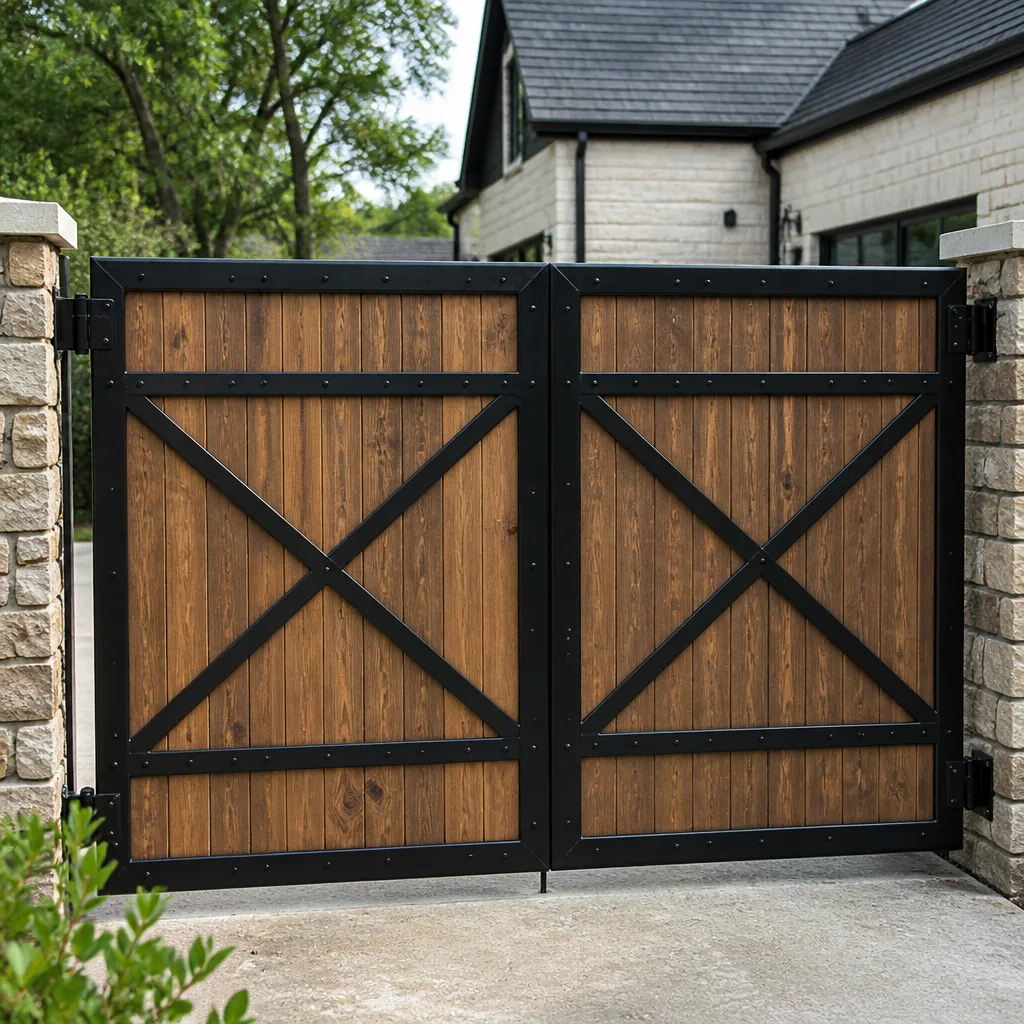 Wood & steel frame
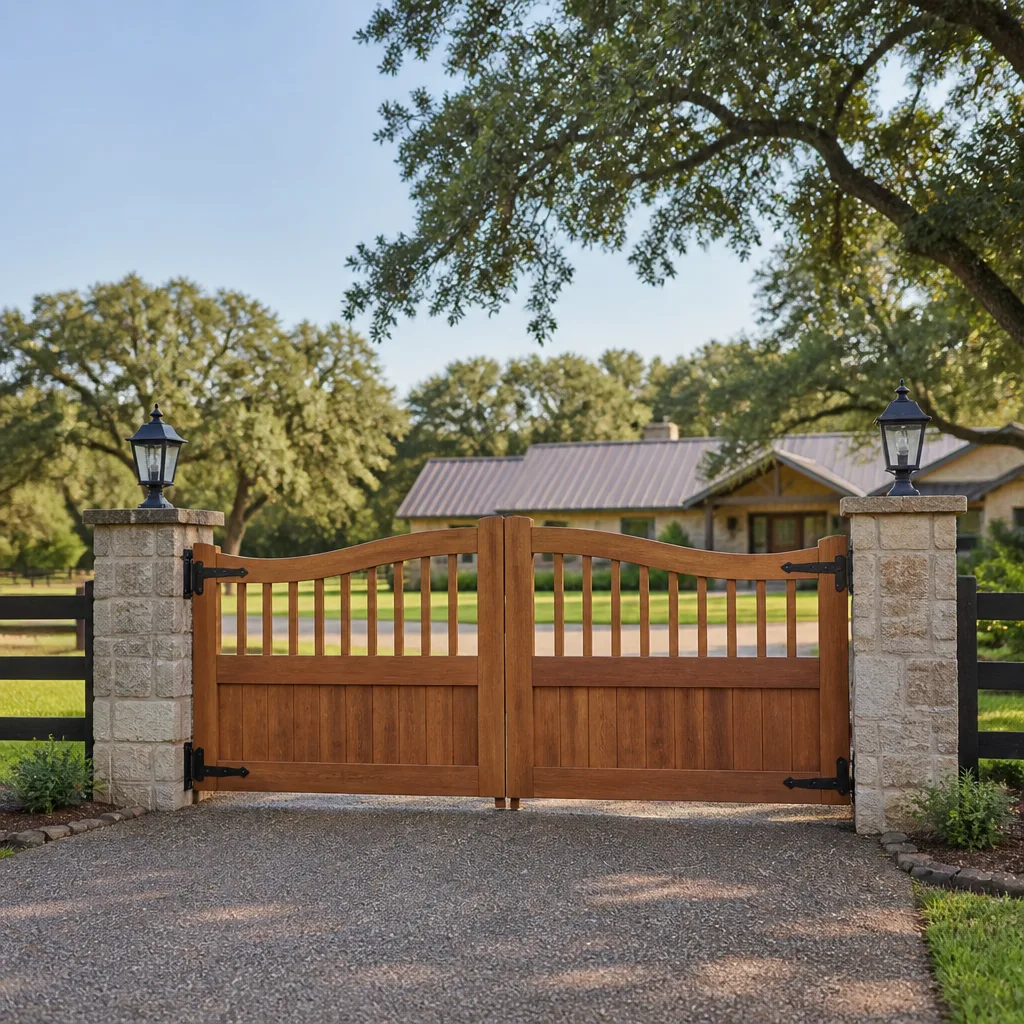 Farm & ranch
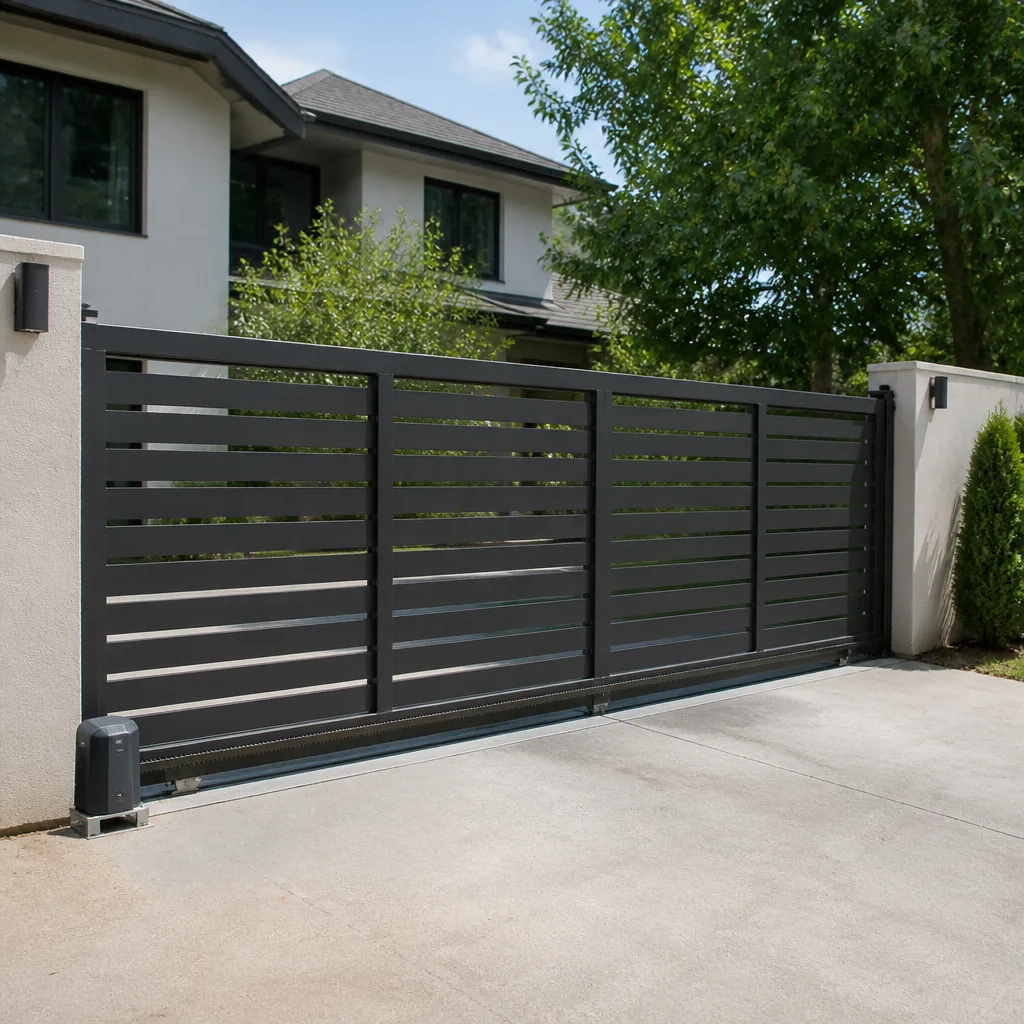 Sliding driveway gates
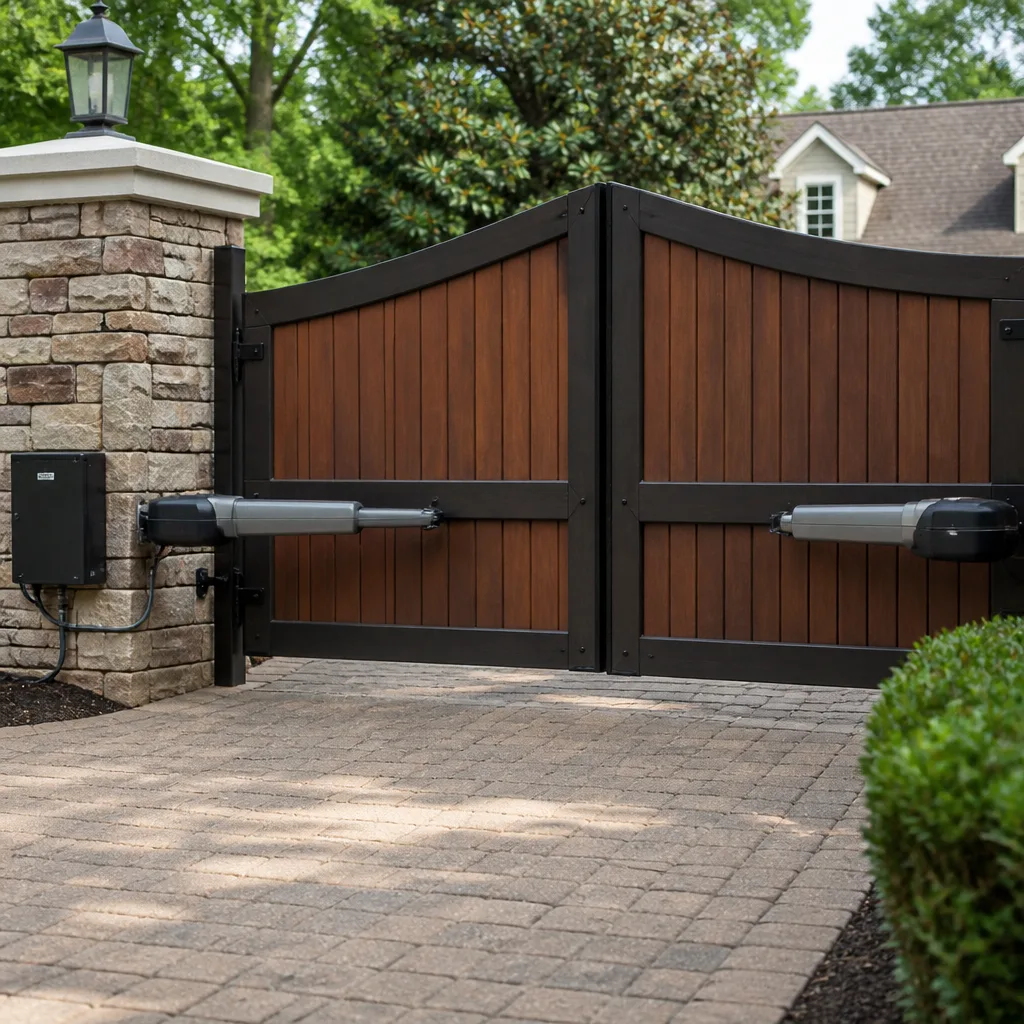 LiftMaster operators
Free on-site gate assessment - hinges, posts, and your LiftMaster or Nice gate operator checked before anything is quoted
The assessment is free and the quote is the invoice.
Get your free estimateHow to Hire a Gate Repair Contractor in Hillsboro: A Step-by-Step Guide
Ask a contractor “do you work on automated gates?” and everyone says yes. Ask them what the DIP switch sequence is to reset a Ghost Controls controller after a power surge, and you’ll know in ten seconds whether they’ve actually touched one. That gap between claiming to service gates and knowing a specific brand’s control board is where Hillsboro homeowners get hurt. Not at the reference stage. Not at the price stage. At the invoice stage, after a generalist has swapped parts on a guess. This guide shows you how to vet for real brand depth before anyone pulls into your driveway.
Quick Answer
To hire a gate repair contractor in Hillsboro, verify three things before you book: that they service your exact brand and can describe how its operator diagnoses faults, that they carry or can source OEM parts for that brand, and that they give you a written scope of work with a price agreed before any work starts. Brand fluency matters more than a low bid, because a contractor who knows a Viking or DoorKing system diagnoses it in one visit, while a generalist learns on your gate.
Styles & brands we work with
- Wrought iron
- Wood & steel frame
- Farm & ranch
- Sliding driveway gates
- LiftMaster operators
Table of Contents
- Why Brand Knowledge Beats a Low Bid
- Five Diagnostic Questions to Ask Before You Book
- Licensing, Low-Voltage Wiring, and What Oregon Actually Requires
- Red Flags in Gate Repair Quotes
- OEM Parts vs. Generic Substitutes
- What a Proper Written Scope of Work Looks Like
- What’s Different About Gates in Hillsboro
- A Step-by-Step Vetting Checklist
Why Brand Knowledge Beats a Low Bid
A gate operator is not a single machine. It’s a control board, a motor, a set of safety sensors, and a logic system, and every manufacturer lays those out differently. A LiftMaster board reads a fault one way, a FAAC another, and the popular residential operators like Mighty Mule and Ghost Controls have their own reset routines and their own failure patterns. A contractor who doesn’t know the difference starts swapping parts. First the battery, then the board, then the sensor, and you pay for each attempt.
In our experience, the expensive repair is rarely the one with the highest first quote. It’s the one that gets done twice. A generalist who guesses at a DoorKing access-control fault might replace a control board when the real problem is a loop detector. You’ve bought a board you didn’t need and the gate still won’t open. The specialist asks which brand and model before booking, because the brand tells them where to look.
Here’s the distinction worth holding onto while you shop: a gate contractor who only does manual gates understands hinges, welds, and alignment. They may be excellent at that work. But automated gates live or die on the electrical and control side, and that’s a different skill set. The right hire for a powered gate is someone who does electric gate repair as a core service, not a sidelight. That’s the difference between a proper diagnosis and an experiment.
Five Diagnostic Questions to Ask Before You Book
You don’t need to understand the answers yourself. You need to hear whether the person on the phone recognizes the question. A confident tech answers immediately and specifically. A stall sounds like “we can look at it when we get there” for every single one. Ask these five before you commit to a visit:
- “Which brands do you work on, and which ones do you turn down?” A specialist names brands without pausing. We service nine major brands, including residential systems like Ghost Controls and commercial-grade operators like DoorKing. A confident answer tells you which they know well. A vague “we handle anything” is a warning, not a comfort.
- “When an operator won’t respond to the remote, what are the first three things you check?” A real tech names a sequence: power at the board, the control board’s fault indicator, then the receiver or safety loop. A generalist says “we’ll see when we get there.”
- “Can you tell me how the safety reversal on my operator is supposed to behave?” Every automated gate has a safety system that reverses or stops when it detects an obstruction. A tech who does this daily describes the behavior for the brand. A tech who doesn’t work on operators won’t.
- “Do you stock OEM parts for my brand, or can you source them?” Board and sensor compatibility across brands is not interchangeable. A contractor who works on your brand regularly knows where the parts come from.
- “What does the diagnostic process look like, and does it come as a fee?” A confident answer describes an on-site diagnosis and a written estimate. Be wary of a flat diagnostic fee that vanishes rather than crediting toward the repair. You’ll see why below.
Ask a sixth for good measure: “If my gate is a Viking or an Elite, is there anything about that brand I should know?” Anyone who genuinely works on these answers with specifics. Anyone who doesn’t changes the subject.
Licensing, Low-Voltage Wiring, and What Oregon Actually Requires
General contractor licensing does not cover low-voltage electrical work on a gate operator. That’s the sentence to tattoo on the inside of your skull while you’re vetting. Operator wiring, control boards, and safety sensors are low-voltage electrical work, and a general contractor’s license doesn’t automatically mean the holder is qualified to touch it. This is exactly the area where brand fluency and electrical understanding have to meet. Don’t assume a licensed generalist is wired for it.
When you talk to a contractor, ask directly what experience they have with gate operator electrical work specifically, not just gate repair in general. You want someone who handles automated systems as a primary service, not a handyman who “also does gates.” The best answer is usually a description of the work, brand names, and a clear process rather than a wall of claims. If the conversation shifts to how they can probably figure it out, that’s your cue to keep looking.
On permits, the answer depends on what you’re doing. A repair to an existing operator is often straightforward, but a new gate installation or new electrical work may require a permit from the City of Hillsboro. Ask your city’s building department directly rather than trusting a contractor’s claims in either direction. A contractor who tells you a permit is “never needed” for new electrical work is telling you something about how they operate. A contractor who says “let’s check with the city” is telling you something else, and it’s the right something.
You’ll notice this guide keeps pointing back to the same idea: specialists know the boundaries of their work. Gates are all we do, and that focus is what makes the boundary clear. When a gate repair question turns out to involve a full operator refit, the specialist routes it into a proper scope instead of guessing.
Red Flags in Gate Repair Quotes
Most gate repair horror stories start with a quote that looked reasonable. The language was friendly, the number was in range, and the trouble only appeared later. Watch for these signals before you sign anything:
- A flat-rate “diagnostic fee” that doesn’t credit toward the repair. You are already paying for a service call that includes a diagnosis. A charge on top of the call that isn’t credited to the repair is often just a way to make the trip pay even if the customer walks. Ask how the diagnostic charge relates to the final repair price.
- Line items that say “parts and labor” with no detail. That single line covers a control board, a battery, a sensor swap, and two hours of troubleshooting, and it tells you nothing. A proper quote separates the part from the work so you can see what’s actually being replaced.
- No brand or model on the quote. If the estimate doesn’t name the operator brand and part, you have no way to verify what you’re buying. Insist on it.
- A price that changes after the work starts without a phone call. Real contractors hit a surprise sometimes, but they stop and get your approval. A tech who “found more wrong” and reports it at the invoice stage never gave you the chance to say no.
- Generic parts presented as OEM. More on this below, but any contractor who says “it works the same” about a control board that isn’t made for your operator deserves a second question.
- Pressure to decide right now. A gate that isn’t working is a security concern, and urgency is real. But urgency is not a reason to skip a written quote. A specialist can quote you quickly and still put it in writing first.
- A promise to “figure out” a brand they don’t work on. If they don’t recognize your FAAC or Linear system, they’re going to learn on your gate and you’ll pay for the class.
None of these red flags require you to be an expert. They’re pattern recognition. A quick set of questions and one written quote tells you more than any review score.
OEM Parts vs. Generic Substitutes
OEM means original equipment manufacturer: the part is made for your gate brand by or for that brand. A generic substitute may fit the hole and work for a while, but it wasn’t designed for your control board’s logic. Why does that matter? Because a mismatched board or sensor can behave unpredictably, trip the operator’s fault detection, or fail early and leave you with a repair that has to be done again.
On FAAC, Viking, and Linear systems in particular, control boards and sensors are tuned to each other. A generic board may not communicate cleanly with the existing sensor, or it may not report faults correctly, which makes future diagnosis harder. When a repair swaps in a non-OEM part and something goes wrong later, you can also run into a warranty wrinkle: the parts may not be covered if the substitute wasn’t made for your operator. That continuity is worth asking about before anyone shows up.
How to verify it. Ask the contractor directly: “Will the part you install be OEM for my brand, and if not, what’s the substitute and why?” A specialist answers plainly. They tell you which brands they service (we cover LiftMaster, FAAC, BFT, Linear, Viking, Ghost Controls, DoorKing, Elite, and Mighty Mule) and whether the part will match. A contractor who brushes the question aside is telling you something. Write the brand and part into the scope of work so there’s no ambiguity at the end.
One practical note on premium brands. Commercial-grade operators like FAAC, BFT, and DoorKing are less forgiving of parts that don’t match. A residential operator can sometimes tolerate a substitute for a season; a commercial access-control system that runs dozens of cycles an hour typically can’t. If you’re a property manager for a Hillsboro business, insist on OEM for the operator and its sensors.
What a Proper Written Scope of Work Looks Like
Before any work starts, you should have a written scope in your hands and a price you’ve agreed to. Not a text, not a verbal “should be around.” A written scope. Here are the three things it has to specify beyond “fix the gate”:
- The exact part or component being replaced, by brand and name. “Replace DoorKing control board” is specific. “Fix board” is not. For an electrical repair, name the operator, the component, and whether it’s OEM.
- What the repair includes on the labor side. Diagnosis, removal, installation, and testing are four different steps. The scope should say the work covers all of them and include a test of the safety system and operator cycle before the tech leaves.
- The price, the payment terms, and what happens if more is found. The estimate should set the final price and state what happens if the tech uncovers an additional fault. The right answer: you get a call and approve any additional work before it’s done.
A written scope also gives you a way to compare two quotes fairly. One contractor quoting $400 for “parts and labor” and another quoting $420 with a named OEM board and an itemized labor line aren’t the same quote even though the numbers are close. The second one tells you what you’re buying. The first one doesn’t. Brand-specific expertise is what makes the second kind of quote possible in the first place, because the tech already knows which part fails on your operator.
What’s Different About Gates in Hillsboro
Hillsboro sits in the Tualatin Valley, and the valley floor brings a climate that matters for gate work. Wet winters and damp months mean driveway and driveway-side gates are exposed to moisture for long stretches, and that shows up in operator housings, control boards, and sensor connections. A sensor that’s fine in July can short or misread in January when water gets into a housing seal that’s starting to fail. If your gate starts acting up every rainy season, that’s a pattern worth naming when you call, not a coincidence.
Gate styles matter too. Older driveways with heavy iron gates on a manual setup have different failure points than a newer property with a sleek automated system. The heavier gate puts more load on the hinges and the operator. The lighter one relies more on the electronics. Either way, a specialist should ask about the gate weight and the operator together, not one at a time.
If you’re near the edges of Hillsboro, where lots open up and driveways run longer, you’re also more likely to have a slide gate with a longer travel. That’s a different diagnostic picture from a swing gate, and it’s where a company that handles Hillsboro properties regularly has seen the failure modes before. Same for the commercial side: a handful of business properties around town run access control systems, and those operators need someone who knows the difference between a residential and a commercial board.
And on the front of permits: new electrical work or a new gate installation may need a permit from the City of Hillsboro. Don’t take a contractor’s word for it either way. Ask the city’s building department. If you’re repairing an existing operator, the picture is usually simpler, but it’s still worth the phone call before a big install.
A Step-by-Step Vetting Checklist
Here’s the whole process collapsed into one walk-through. Print it, keep it by the phone, and you’ll never book the wrong contractor.
- Identify your operator brand and model. Look at the operator housing. It’s usually printed or on a plate. Write it down. You cannot vet a contractor without it.
- Ask if they work on your brand. Not the category. The brand. Victoria? No. If they hesitate, that’s a “no” dressed up as a maybe.
- Ask one diagnostic question. Pick from the five above. The answer tells you whether they’ve touched your system before.
- Request a written quote before work. Include the brand, the part, the labor line, the price, and what happens if more is found. No verbal estimates.
- Ask whether the part is OEM. And ask why, if it isn’t. If the operator is a commercial-grade system like FAAC or DoorKing, insist on OEM.
- Confirm pricing before work starts. The written estimate sets the final price. Anything else requires your OK.
- Ask about permits for new installs. If new wiring or a new gate is going in, check with the City of Hillsboro before work begins.
- Then book it. With the brand, the questions, the written scope, and the OEM answer in hand, you’ve eliminated the guessing game.
That last point matters more than the bid. The contract you’re signing isn’t a price, it’s a level of competence. If it comes back to a problem later, the guy who knew the brand will find it. The guy who didn’t will start guessing.
Common Mistakes to Avoid
- Hiring whoever’s closest or cheapest. A low bid can sound appealing for a gate that isn’t working right now, but a generalist’s guesswork tends to show up on the next invoice. A specialist’s diagnosis saves you repeat visits.
- Skipping the brand question on the first call. If you don’t ask, they can’t be held to it. The brand is the whole ballgame for an automated gate.
- Accepting “parts and labor” as a line item. You deserve to know what part and what work. Anything less is signing a blank check.
- Paying a diagnostic fee with no path to a repair credit. Ask how it relates to the final price before you agree. If the answer isn’t clear, that’s your answer.
- Not checking whether a repaired system needs a permit. New electrical work or a new gate install can require one in Hillsboro. Call the city rather than relying on the contractor’s claim.
- Trusting a “we work on everything” answer. Gates are specialized. The best sign you’ve found the right contractor is that they can tell you what they do well and what they don’t.
- Leaving the scope verbal and the price vague. A written quote with the brand, part, labor, and price is the single best protection you have.
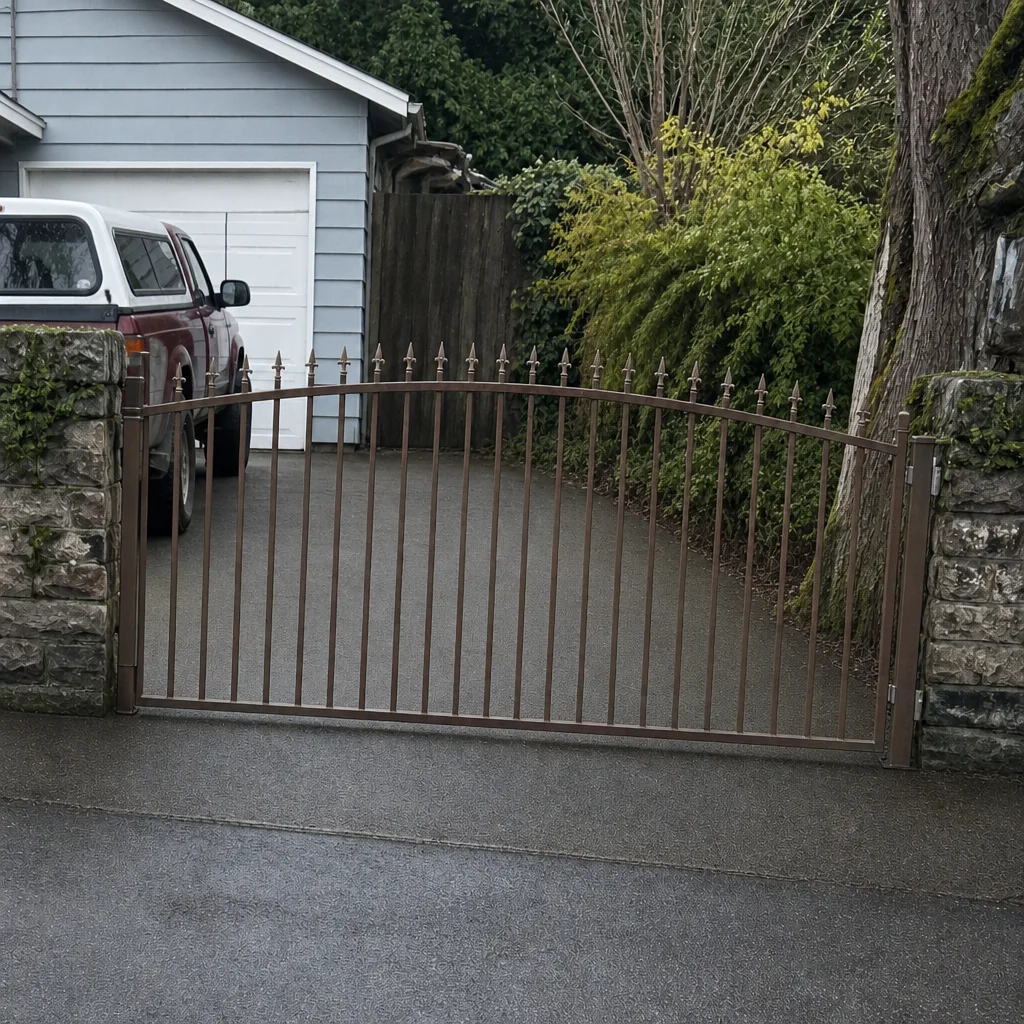
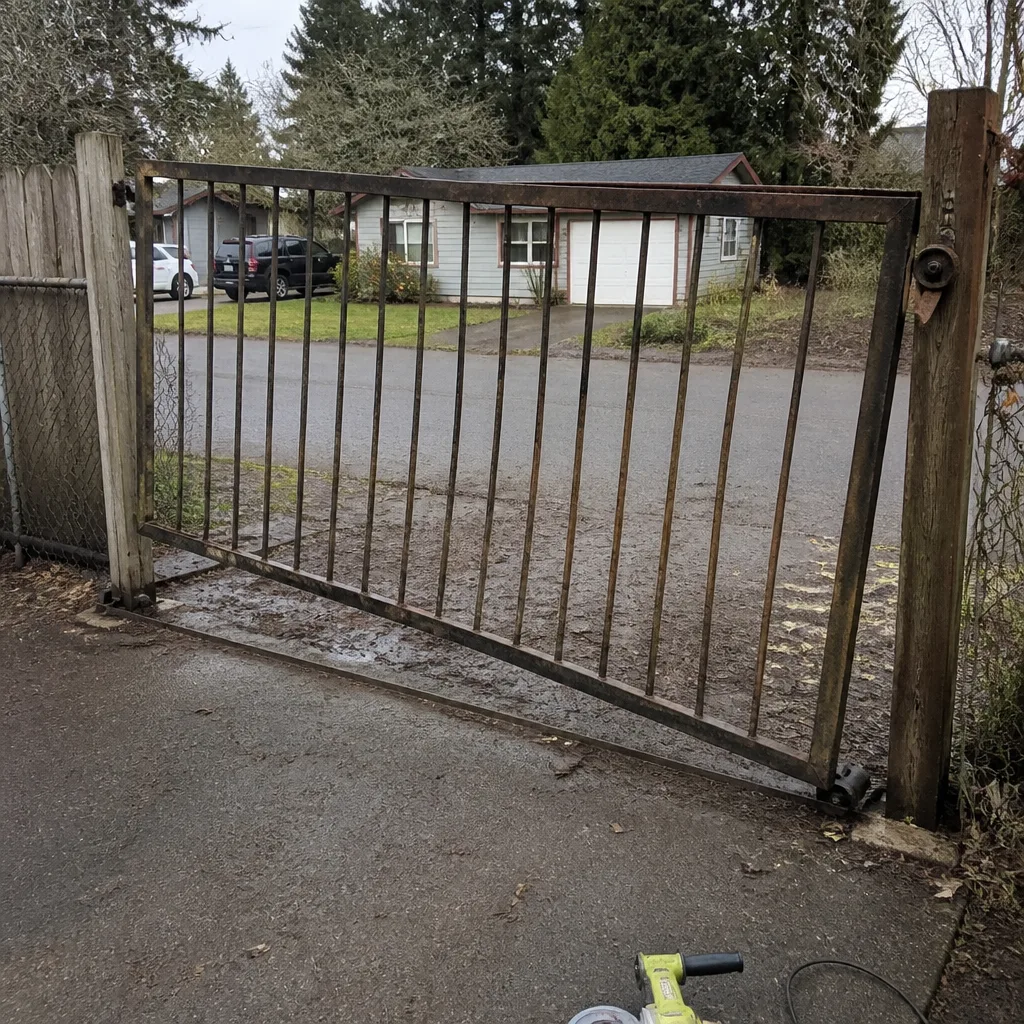
See the difference
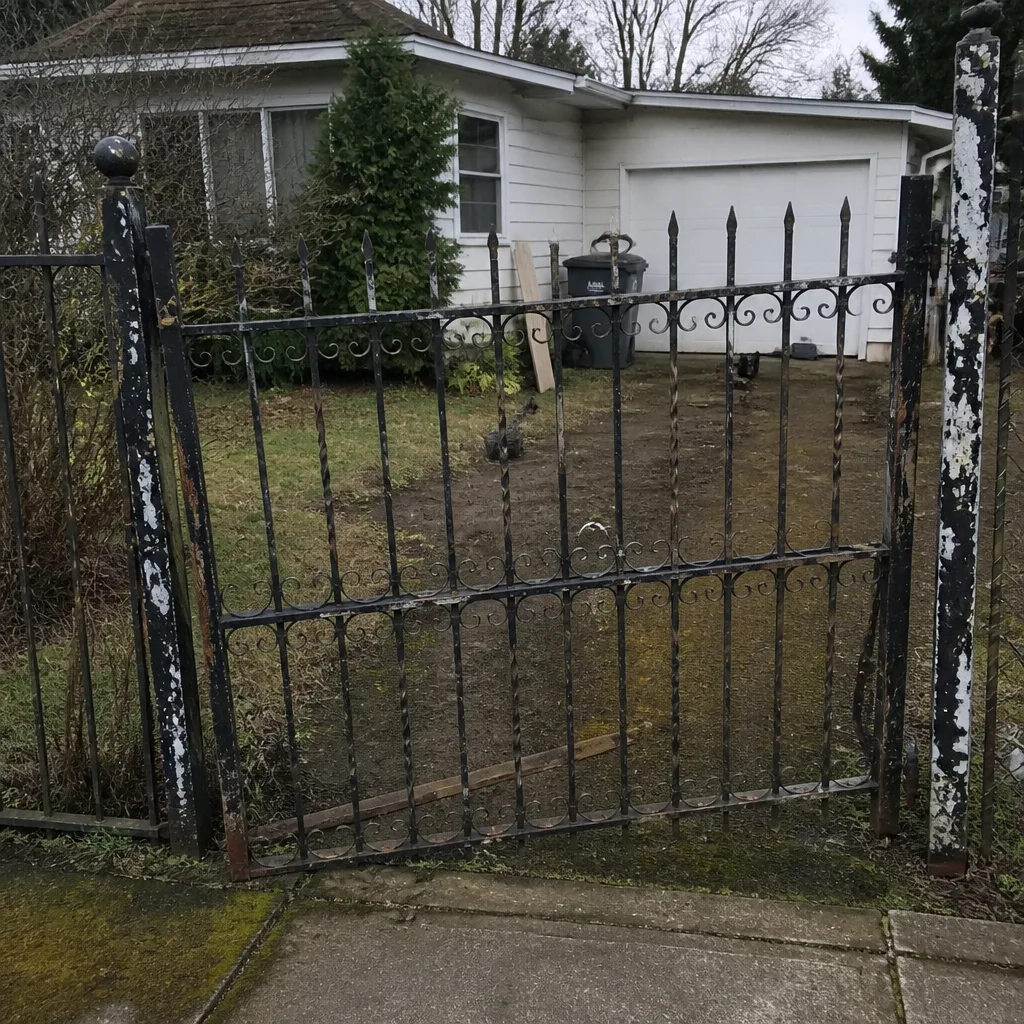 Before
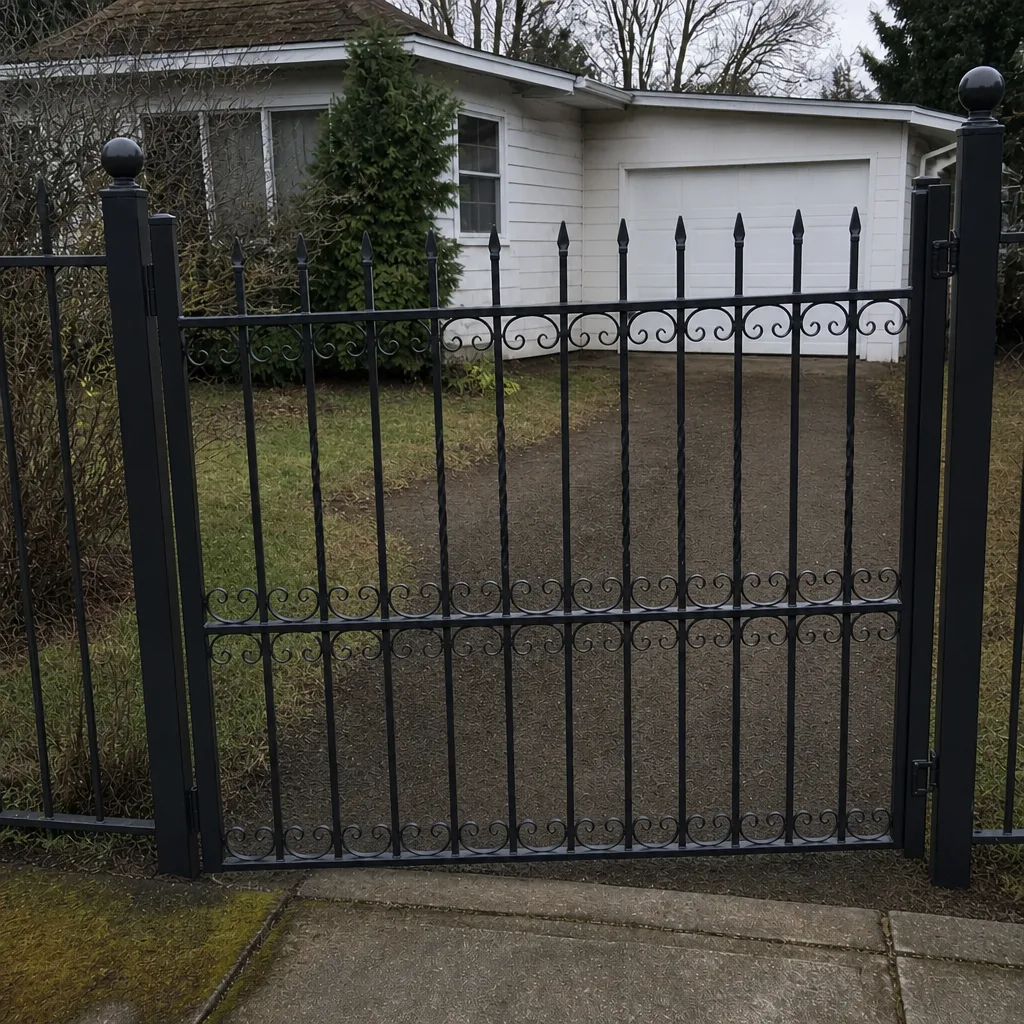 After
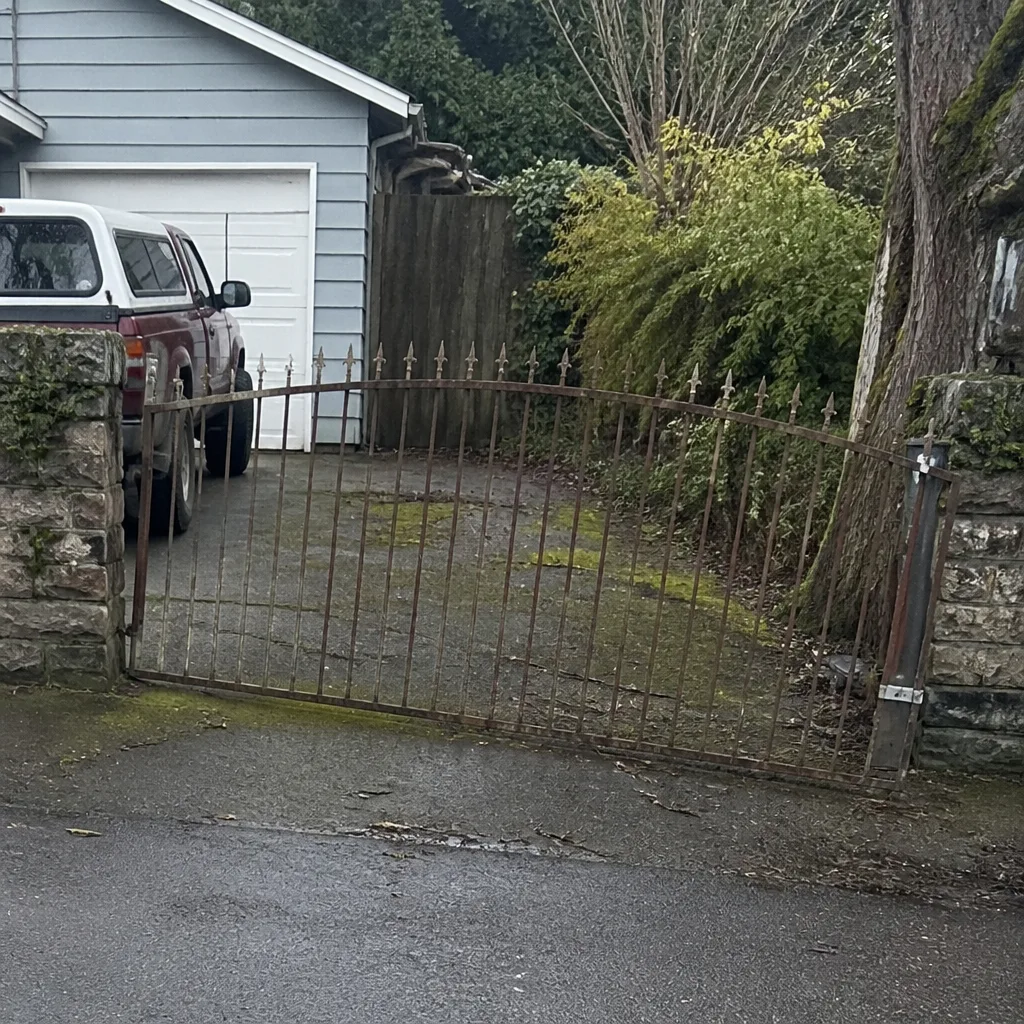 Before
 After
 Before
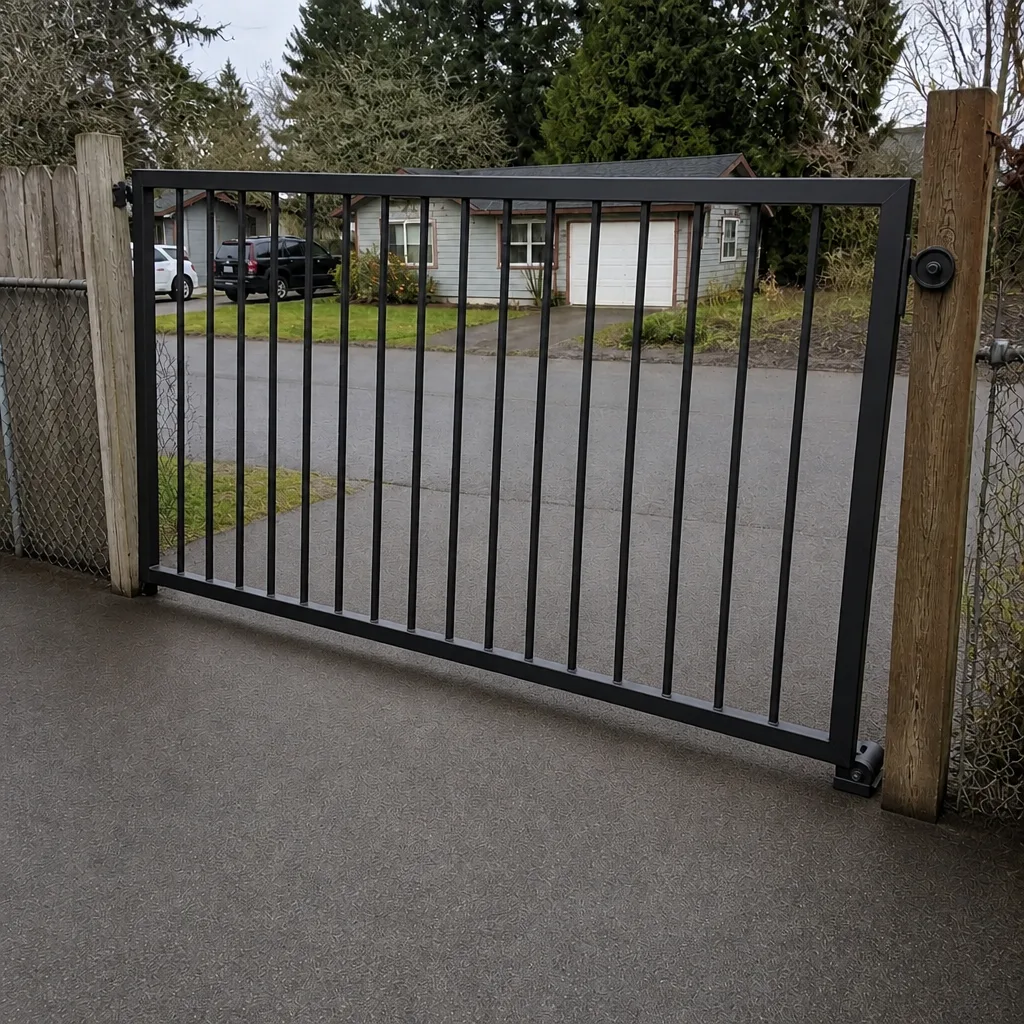 After
When to Call a Professional
Call in when the gate won’t open or close reliably, when the operator responds to the remote sometimes and not others, when the safety reversal stops behaving the way it should, or when a circuit board or sensor has clearly failed after a storm. Also call when a repair has been attempted and the gate still isn’t right, because that’s often a sign the earlier technician didn’t know the brand. If you’re a property manager with a commercial operator (FAAC, BFT, DoorKing), don’t wait for a failure to schedule a look: the downtime cost is higher than a diagnosis. Gate Repair Hillsboro offers free estimates in Hillsboro. Call (855) 251-3899. We answer 24/7. Fast dispatch from 7am to 7pm, Sunday through Friday.
Frequently Asked Questions
Ask them to name your brand and model and describe how the operator diagnoses a fault. A specialist answers immediately and specifically, because they’ve worked on that system before. If the answer is vague or turns into “we’ll see when we get there,” they don’t work on your brand and you should keep looking.
Oregon licensing for general contractors doesn’t automatically cover low-voltage electrical work on a gate operator, so the question you should ask is whether the contractor has experience with operator electrical work, not just whether they’re licensed. On permits, a repair to an existing operator is usually simpler than a new installation, but new electrical work may require a permit from the City of Hillsboro. Ask the city directly before any new install. Call (855) 251-3899 – estimates are free.
Yes. An itemized quote names the brand and part, describes the labor, and states a price. A vague “parts and labor” line hides what’s actually being replaced and makes it impossible to compare bids fairly. Ask for a written scope with the part named and the price agreed before work starts. Call (855) 251-3899 – estimates are free.
Then they shouldn’t quote the job. A contractor who works on FAAC, BFT, DoorKing, Linear, and Viking systems regularly will recognize the brand and know where the failure points are. One who doesn’t should tell you so, and you should believe them. Call (855) 251-3899 – estimates are free.
Often yes, once the contractor has your brand and the parts picture. A repair on an existing operator with a known part can go same day, while an install or a part that has to be ordered gets scheduled. Call (855) 251-3899. We answer 24/7, and a call outside dispatch hours is booked into the next opening, Sunday through Friday, 7am to 7pm.
Because every brand lays out its control board, sensors, and logic differently, and a contractor who knows your brand diagnoses it in one visit. A generalist who doesn’t starts swapping parts on a guess, and you pay for each attempt. Brand fluency is the difference between a repair and an experiment. Call (855) 251-3899 – estimates are free.
The Bottom Line
The gate hire you regret is rarely the highest bid. It’s the one who knew the general shape of a gate but not your brand’s control board, and the evidence shows up on the second invoice. Vet for brand depth before you book: ask the diagnostic questions, insist on a written scope with a named part, confirm whether it’s OEM, and agree the price before work starts. In Hillsboro, where wet winters find weak seals and heavy gates load their operators, that extra ten minutes on the phone is worth more than a lower bid from someone learning on your system. Gates are all we do, and a specialist who says that clearly is the one you want. Call (855) 251-3899 for a free estimate. We answer 24/7. Fast dispatch from 7am to 7pm, Sunday through Friday. You can also start with the basics on our Gate Repair Hillsboro page.
Written by the team at Gate Repair Hillsboro.