
Last updated November 14, 2026
 Wrought iron
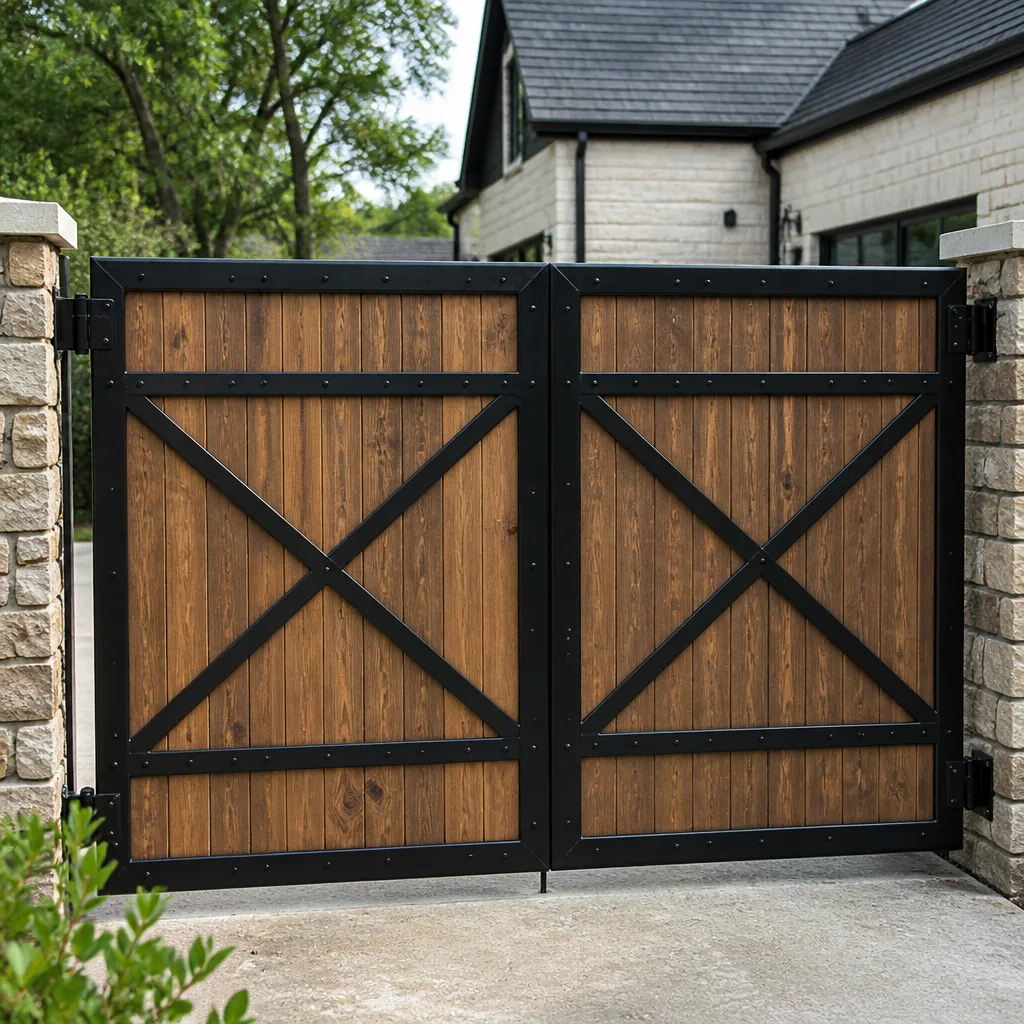 Wood & steel frame
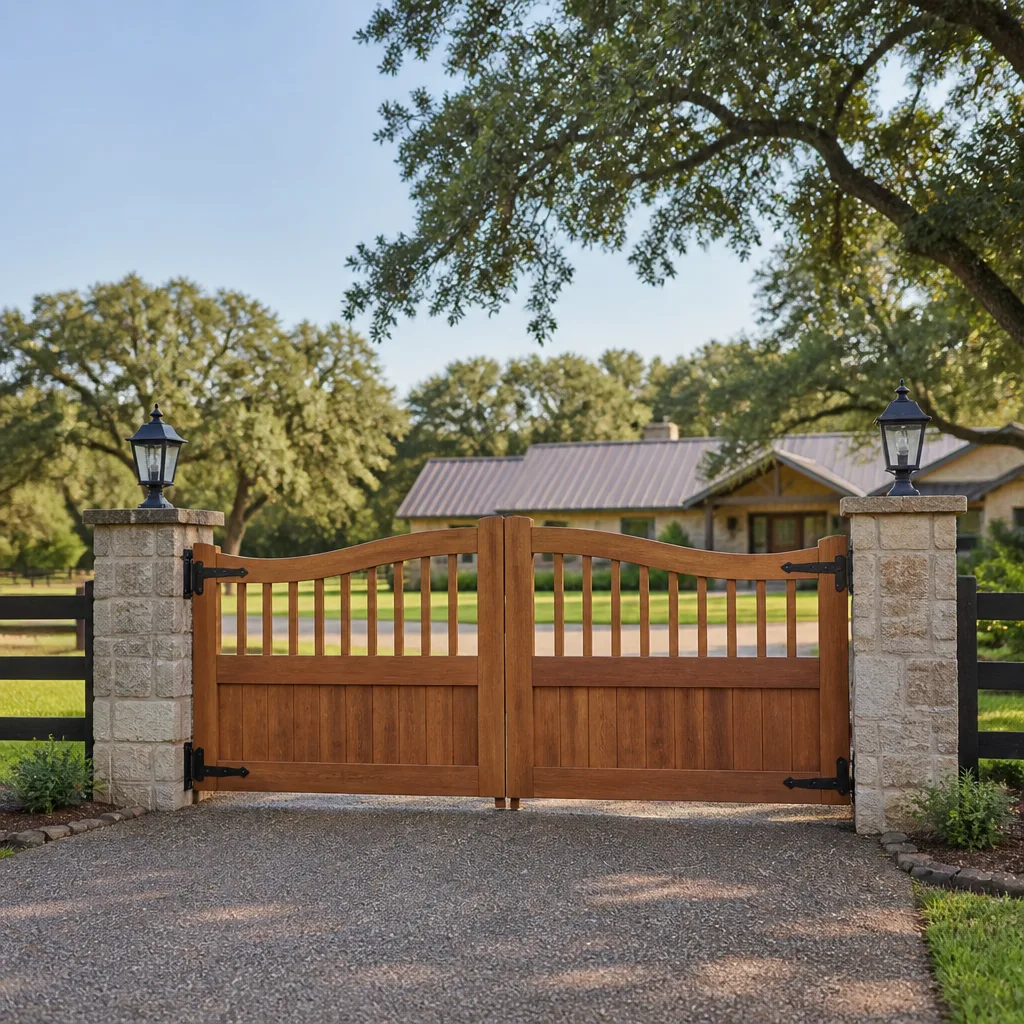 Farm & ranch
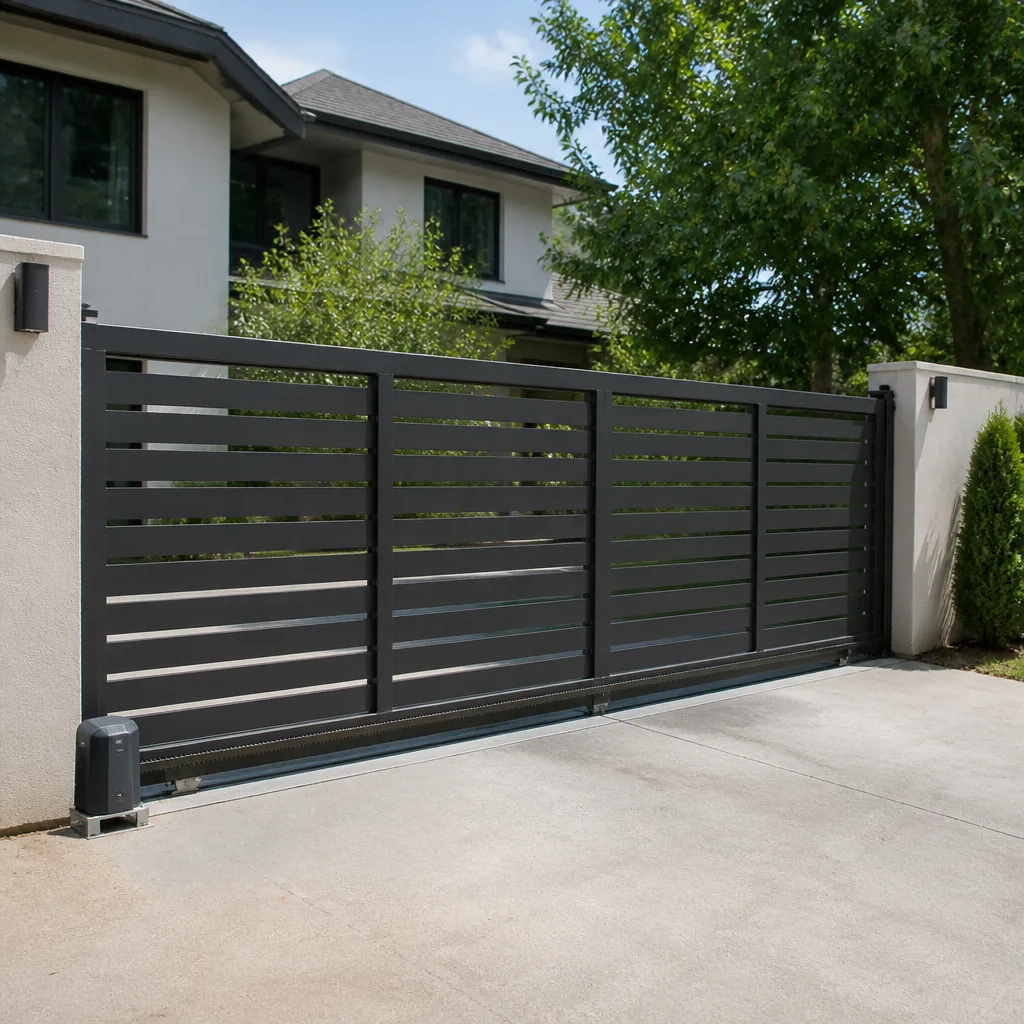 Sliding driveway gates
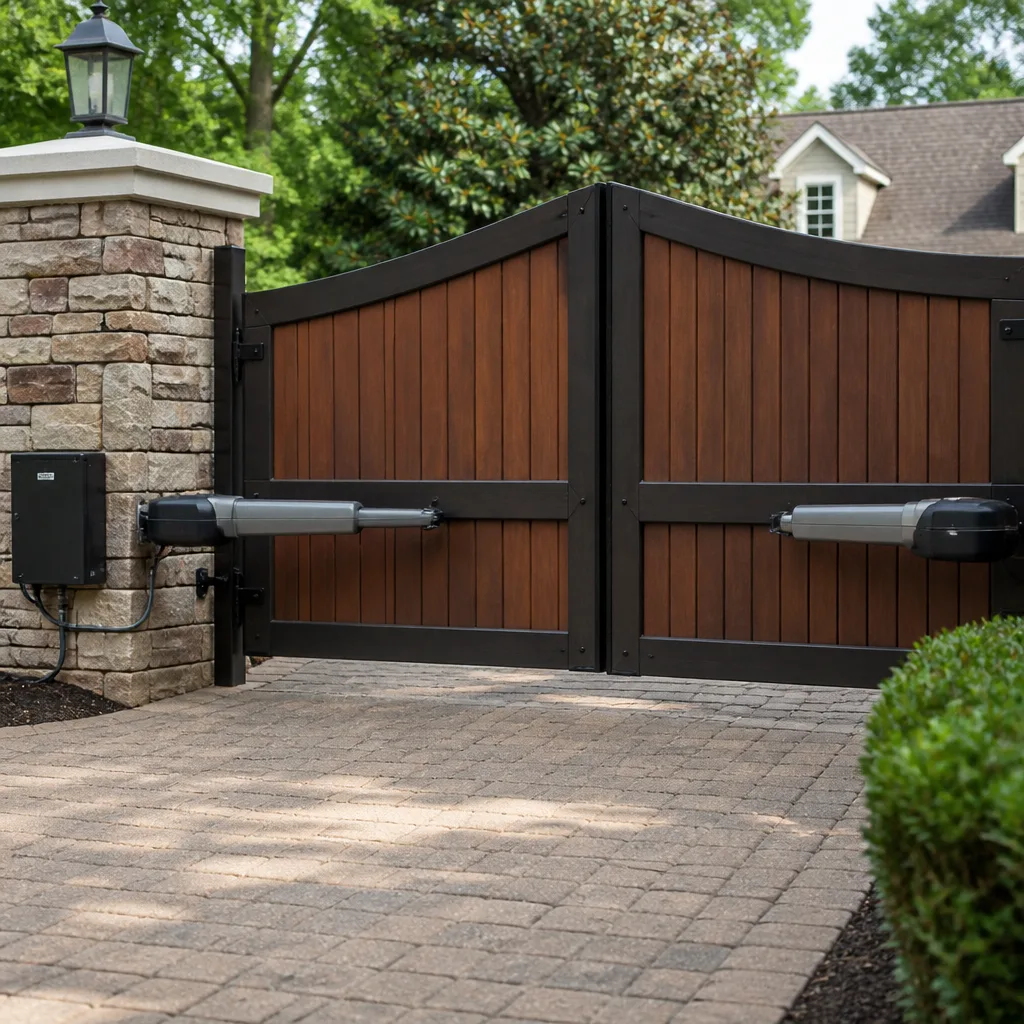 LiftMaster operators
Free on-site gate assessment - hinges, posts, and your LiftMaster or Nice gate operator checked before anything is quoted
The assessment is free and the quote is the invoice.
Get your free estimateSeasonal Gate Repair Care for Hillsboro: Year-Round Homeowner’s Guide
Most homeowners think winter rain is what breaks a gate. In our experience around Hillsboro, the damage is usually done before the rain ever arrives. Through the dry summer months, the clay-heavy soil under a gate post shrinks and pulls away. Then October’s first soaking rains send that soil back down unevenly, and a post that drifted a quarter inch over summer settles into a new, permanent lean before anyone notices the gate dragging. By the time a hinge screams, the alignment problem is months old. This guide walks you through what each Hillsboro season actually does to hinges, operators, control boards and concrete footings, and it tells you the specific windows when a small adjustment saves you a large repair.
Styles & brands we work with
- Wrought iron
- Wood & steel frame
- Farm & ranch
- Sliding driveway gates
- LiftMaster operators
Quick Answer
Seasonal gate care in Hillsboro comes down to watching soil moisture, temperature swings and dust rather than just rain. Posts shift most in the fall when dry summer ground rehydrates, control boards throw intermittent faults in late summer heat, and winter water weight on gate leaves triggers false reversals unless you adjust sensitivity in the fall. A calendar tied to those windows prevents far more expensive failures than a fixed annual tune-up.
Table of Contents
- Why Hillsboro’s Climate Stresses Gates Differently
- The Month-by-Month Gate Risk Calendar
- Why Summer Heat Causes Intermittent Control Board Faults
- Fall Prep: Adjusting Limits and Sensitivity Before the Rain
- Spring Post-Survey: Checking for Alignment Stress
- The Dry Season Lubrication Schedule
- Winter: What to Check and What to Leave Alone
- Common Mistakes to Avoid
- When to Call a Professional
- Frequently Asked Questions
Why Hillsboro’s Climate Stresses Gates Differently
The common advice is that wet climates ruin gates. That’s half the story in Hillsboro. What actually wears a gate out here is the swing between wet and dry. Our summers dry the topsoil hard and our winters put it back, and that cycle moves a footing a little each year even when the concrete itself stays sound. The gate leaf above it feels that movement as misalignment, drag and strain on the operator.
Three local factors shape the timeline:
- Soil that swells and shrinks. Hillsboro’s ground holds moisture in winter and dries significantly in summer. Posts set in that soil can shift laterally and vertically across a single season.
- Moderate temperatures with sharp swings. We don’t get deep freezes, but we do get freeze-thaw cycles at night in winter and hot afternoon stretches in summer. Metal expands and contracts with both, which works on fasteners, brackets and operator housings.
- Dry-season dust and pollen. From late spring through early fall, dust and plant debris settle into exposed chains, racks and tracks. Mixed with a little residual lubricant, that becomes a grinding paste.
That combination is why a single “service it once a year” habit misses the point. The failure windows are seasonal and they’re predictable. When we look at a gate in Hillsboro, we’re usually reading which season it last went through without attention, because that’s where the wear shows up first.
None of this means every gate needs frequent visits. It means the timing of your attention matters more than how often you give it. A gate checked at the right moments needs less work overall than one serviced on a random schedule.
The Month-by-Month Gate Risk Calendar
A month-by-month view of what Hillsboro’s weather does to a gate is the single most useful tool a homeowner can have. Print it, tape it inside the garage, and use it as a prompt rather than a rigid schedule, because every property drains a little differently. This is general guidance for the climate, not a rulebook for any one driveway.
- January and February: The wettest stretch. Hinges and latches take on water, gate leaves gain weight, and operators strain. Watch for false reversals and sluggish swing speed. Don’t force anything that’s binding.
- March and April: Soil is still saturated but warming. This is when footing movement from winter shows up as misalignment. Inspect before you service.
- May and June: Fast dry-out begins. Check chain and rack tension as metal begins to expand. Dust starts collecting in tracks.
- July and August: Peak heat. Control boards and operator motors run hottest, and intermittent faults appear. Lubrication intervals shorten on exposed drive parts.
- September: The critical transition month. Adjust limit switches and sensitivity ahead of the rain, because leaves will gain weight fast.
- October and November: Highest-risk months for post movement as dry soil rehydrates unevenly. Check alignment before the first hard rains lock a lean in place.
- December: Freeze-thaw nights. Fasteners and brackets loosen with expansion and contraction. A quick visual pass catches most of it.
If you remember one thing from this calendar, make it October. In our experience, that’s when the most expensive alignment problems in Hillsboro get set in motion, and it’s also when a simple check is cheapest to act on.
Why Summer Heat Causes Intermittent Control Board Faults
Most people blame rain for electronic problems in a gate operator. In Hillsboro, the heat is the bigger culprit. Automated gate repair calls in late summer often trace back to thermal stress rather than water intrusion. Here’s why.
A control board and its surrounding components run within a designed temperature range. On a hot afternoon, a metal operator housing in direct sun can push internal temperatures well above ambient, and that extra heat nudges components toward the edge of their tolerance. The result is intermittent behavior: a gate that reverses on its own, a remote that works sometimes, a board that resets for no obvious reason. It runs fine in the cool of the morning and misbehaves at two in the afternoon.
Thermal stress on an electric gate repair visit usually shows up in three ways:
- Solder joints and connectors that expand and contract until a connection loosens and becomes intermittent.
- Electrolytic capacitors that age faster when they live through repeated hot cycles.
- Power supply components that struggle to hold steady output when the housing can’t shed heat.
You can manage some of it. Keep the area around the operator clear so air moves, and make sure the housing vents aren’t clogged with dust or pollen. If the operator sits in full afternoon sun, shade from a planting or a small structure helps more than people expect. If you have a LiftMaster or a Mighty Mule residential operator, the seasonal fault pattern is worth checking against the brand’s own troubleshooting before anyone starts swapping parts, because guessing on a control board gets expensive fast. When a fault only appears on hot afternoons, note the time and temperature; that detail alone saves a technician a diagnostic step.
Fall Prep: Adjusting Limits and Sensitivity Before the Rain
The most valuable gate maintenance you can do in Hillsboro happens in September, before the rains return. The reason is simple: water adds weight to gate leaves, and a system tuned for dry summer conditions will read that extra weight as something in the way. The safety reversal then trips on a gate that isn’t actually blocked. Fix the settings in the fall and you skip a winter of nuisance reversals.
Fall prep comes down to two adjustments and a mechanical check.
- Re-check the open and close limit switches. Limits tell the operator where the gate should stop. Seasonal movement and thermal expansion can leave the gate stopping slightly short or pushing a little too far. Adjust so the gate seats cleanly without stalling against a post.
- Reduce safety sensitivity before the wet season. A setting that was fine in July may trip constantly once leaves are wet. Adjust it carefully, and test the safety reversal afterward. This is the one adjustment that must never be done casually, because it’s what protects people and vehicles from a closing gate. If you’re unsure how your operator handles it, that’s a job for a technician, not a guess.
- Run a full manual cycle and watch the gate. Walk the gate through open and close by hand. Feel for binding, listen for grinding, and check that the leaf hasn’t started to sag against the frame.
While you’re out there, clear the debris that winter winds will push against the gate. And before the wet season peaks, it’s worth reading up on year-round gate repair so you know what the early warning signs actually look like. Catching a hinge problem in September is a small fix; finding it in January when the gate has been forcing against a sag for months is a bigger one.
Operator sensitivity settings differ by brand and model. FAAC and BFT commercial-grade operators often expose more adjustment than consumer systems, while a Ghost Controls residential unit keeps things simpler. Whatever the unit, the principle is the same: adjust to a wet-season reality, then verify the reversal safety, every time.
Spring Post-Survey: Checking for Alignment Stress
By spring, winter soil movement has finished its work, and you can read the results. The spring post-survey is a short visual sequence, done in order, that tells you whether a footing has shifted enough to put alignment stress into the drive train. Do it before you service anything else, because servicing a misaligned gate just distributes the wear.
Work through this sequence from the ground up:
- Look at the footing. Check the concrete at the base of each post for new cracks, a gap between the post and the concrete, or visible movement. A post that was plumb last fall and leans now is telling you the soil shifted it.
- Check the gap between the gate leaf and the posts. Uneven gaps from top to bottom or side to side point to alignment stress. A gate that fits its frame square in spring will run smoothly all year.
- Open the gate halfway and release it. A gate that swings freely and stops on its own where you leave it is fine. One that drifts toward open or closed under its own weight has a sag or a footing problem.
- Watch the track or chain line. On a sliding gate, check that the track is straight and level along the run. On a swing gate, watch how the operator arm lines up at mid-travel; binding shows as a slight hesitation or a judder.
- Inspect the drive train for alignment stress. Look for uneven wear on the rack, a chain that rides off center, or a hinge that’s loaded differently than its neighbors. These are the fingerprints of a footing that moved.
If the survey turns up movement, resist the urge to correct it with the operator. Dialing up force to push a misaligned gate through its cycle just accelerates wear on the drive train and motor. Alignment problems need to be traced back to the footing or the hardware, and that’s a diagnosis worth getting right. If your gate is automated and the spring survey shows anything binding, an expert on the specific operator, whether it’s a FAAC or a LiftMaster, can tell you quickly whether the issue is mechanical or electronic.
This is why we treat spring as a diagnostic season, not a service season. Find the alignment stress first, fix it, and every adjustment you make afterward will hold.
The Dry Season Lubrication Schedule
Lubrication advice usually says “once or twice a year.” In Hillsboro, dry-season humidity changes the math. As the rainy season ends and the air dries, the lubricant on exposed chains and racks loses its moisture and starts attracting dust. That dust turns lubrication into an abrasive, and the parts wear faster than they would on a clean, lightly oiled surface.
For an exposed chain or rack system, think about the dry season in tiers:
- Late spring (as humidity drops): Clean off winter grime and reapply a light, correct lubricant for that drive type. Don’t over-apply; a thin, even film is what you want.
- Mid-summer: Wipe the surfaces clean and reapply. On a gate that runs many cycles a day, the interval shortens, because each cycle works the lubricant off.
- Late summer to early fall: Clean and reapply before the rains return, so the drive is protected when the moisture comes back and debris starts to stick.
The type of lubricant matters as much as the timing. Use what the drive system calls for. Chains and Rack systems have different needs, and a heavy grease on an exposed chain can hold dust instead of shedding it. On a residential Mighty Mule or Ghost Controls chain drive, a drier, cleaner approach usually outlasts a heavy coat. Whatever you use, wipe off excess.
Hinges get a different treatment. In our experience around Hillsboro, hinges take the most abuse in the wet months, when water works into them and gate weight adds load. A light application at hinge points in the fall, then again early in the dry season, keeps them moving freely. Watch for rust staining and any hinge that feels stiff compared to the others; that’s the earliest sign of a problem starting.
Don’t forget the operator’s own moving parts if the manual calls for it. Some operators need periodic attention to their gear or arm pivots, and the manual is the source of truth. When we take on Gate Repair Hillsboro work, lubrication is part of what we check, because getting the film right prevents wear that no repair can undo.
Winter: What to Check and What to Leave Alone
Winter is the season to watch, not to tinker. The gate is wet, the ground is soft, and the operator is doing more work than usual. Your job in winter is observation and light response, not heavy adjustment. Sensitivity settings you tuned in the fall should carry you through, and if you’re getting consistent false reversals in the wet weeks, something has changed enough to warrant a look.
What to check through the winter months:
- False reversals: If the gate reverses on its own while closing, stop using it and get it looked at. That’s a safety system responding to something.
- Sluggish movement: A gate that moves noticeably slower in wet weather is carrying extra weight or fighting binding. Don’t ignore it.
- Loosening hardware: Freeze-thaw cycles work brackets and fasteners loose. A visual pass and a careful check of accessible bolts catches most of it.
- Drainage: Make sure water isn’t pooling against a footing. Good drainage under a gate is as important as any repair.
What to leave alone: don’t force a binding gate with the operator, don’t crank up force or speed to get through a wet cycle, and don’t re-tune sensitivity repeatedly as the weather swings. If the gate is misbehaving in winter, the cause is usually mechanical or footing-related, and forcing it simply wears down the drive. If a door or gate fails on a Saturday, remember we’re closed that day; call and we’ll book you for Sunday.
Common Mistakes to Avoid
- Waiting for a failure before you look. Most gate problems in Hillsboro give weeks of warning. A creak, a slow spot, a slight drag. Treat those as the invitation to look.
- Servicing the gate before fixing alignment. If the footing has moved, adjusting the operator or lubricating the drive just spreads the wear. Do the alignment check first.
- Over-greasing an exposed chain or rack. Heavy lubricant collects dust during Hillsboro’s dry season and turns into a grinding paste. Use what the system calls for and wipe off the excess.
- Dialing up operator force to push through binding. Higher force gets a jammed gate moving today and wears down the motor and drive train by the end of the season. Fix the cause.
- Ignoring the safety reversal test. A gate operator without a working reversal is a hazard. Test it after any adjustment that touches sensitivity or limits.
- Skipping the October post check. The rehydration window is when a lean gets locked in. A check in October saves you the alignment repair later.
- Guessing at control board faults. Intermittent board problems tempt a parts-swapping approach that wastes time and money. A proper diagnosis on the specific operator is always faster.
When to Call a Professional
Some seasonal care is within reach for anyone with patience and a level head. Others call for a trained eye. Call us when a gate reverses unexpectedly, when the operator throws error codes or faults intermittently, when the gate has developed a visible sag or lean, or when a footing shows movement. Call us when the gate won’t open or close smoothly on its own, or when the safety reversal doesn’t trip during a test. Automated gate repair, especially on control boards and operators, is no place for guesswork, and heavy gate panels and slide gates off their track carry real danger; a trained technician understands how they behave. Gate Repair Hillsboro offers free estimates in Hillsboro; call (855) 251-3899. We answer 24/7. Fast dispatch from 7am to 7pm, Sunday through Friday. Call outside dispatch hours and we’ll book you into the next opening.
We service nine major gate brands, from residential operators like LiftMaster and Mighty Mule to commercial-grade systems like FAAC and BFT. What that means for you is a straight answer on whether your issue is a control board, an operator, or a mechanical problem in the gate itself, instead of a guess.
Frequently Asked Questions
October is the highest-risk month for gate post movement in Hillsboro. Dry summer soil rehydrates unevenly after the first heavy rains, and a post that shifted over summer can settle into a new lean before anyone notices. A quick alignment check in early October is the single best thing you can do for a gate in this climate.
Summer heat is the usual cause of intermittent control board faults in Hillsboro. An operator housing in direct sun can push internal temperatures high enough to stress components, which shows up as a fault that comes and goes with the heat. Check the housing vents and the ventilation around the operator first, and call (855) 251-3899 if the fault keeps coming back.
Lubricate an exposed gate chain more often during the dry season than in wet months, because dust collects in the lubricant and turns it into an abrasive. Clean and reapply in late spring, again through summer on a heavily used gate, and once more before the rains return. You can call (855) 251-3899 for a free estimate if the chain shows uneven wear.
A gate that reverses on its own in the rain is usually reacting to water weight on the leaf or to sensitivity settings tuned for dry weather. Stop using the gate, because the reversal system is doing its job, and have the sensitivity and limits checked. Call (855) 251-3899. Estimates are free.
Yes, you can test the safety reversal by triggering it during a close cycle and confirming the gate stops and reverses, but adjusting sensitivity or limits is best left to a technician. A reversal that doesn’t work correctly is a hazard. If it fails the test, call us for a free estimate at (855) 251-3899.
Yes. We work on both residential gates and commercial access-control systems across the Hillsboro area. Our brand coverage runs from residential Mighty Mule and Ghost Controls to commercial-grade FAAC, BFT, DoorKing and LiftMaster systems, so a property manager with an entry gate gets the same brand-level diagnosis as a homeowner.
The Bottom Line
Seasonal gate care in Hillsboro is really about timing, not frequency. September is the month to adjust limits and sensitivity so wet leaves don’t trip false reversals all winter. October is the month a post check catches movement before the rain locks a lean into place. Late summer is when heat stress shows on control boards. Spring is when you read the winter’s alignment results before servicing anything. Line up your attention with those windows and you’ll prevent expensive failures that a random annual tune-up misses. Whether your Hillsboro gate runs on a LiftMaster, a FAAC or a simpler Mighty Mule, the calendar is the same.
If you’d like a second set of eyes on your gate, call (855) 251-3899 for a free estimate. We’ll tell you what the season has done and what it’s about to do. We answer 24/7. Fast dispatch from 7am to 7pm, Sunday through Friday, closed Saturday.
Written by the team at Gate Repair Hillsboro.
See the difference
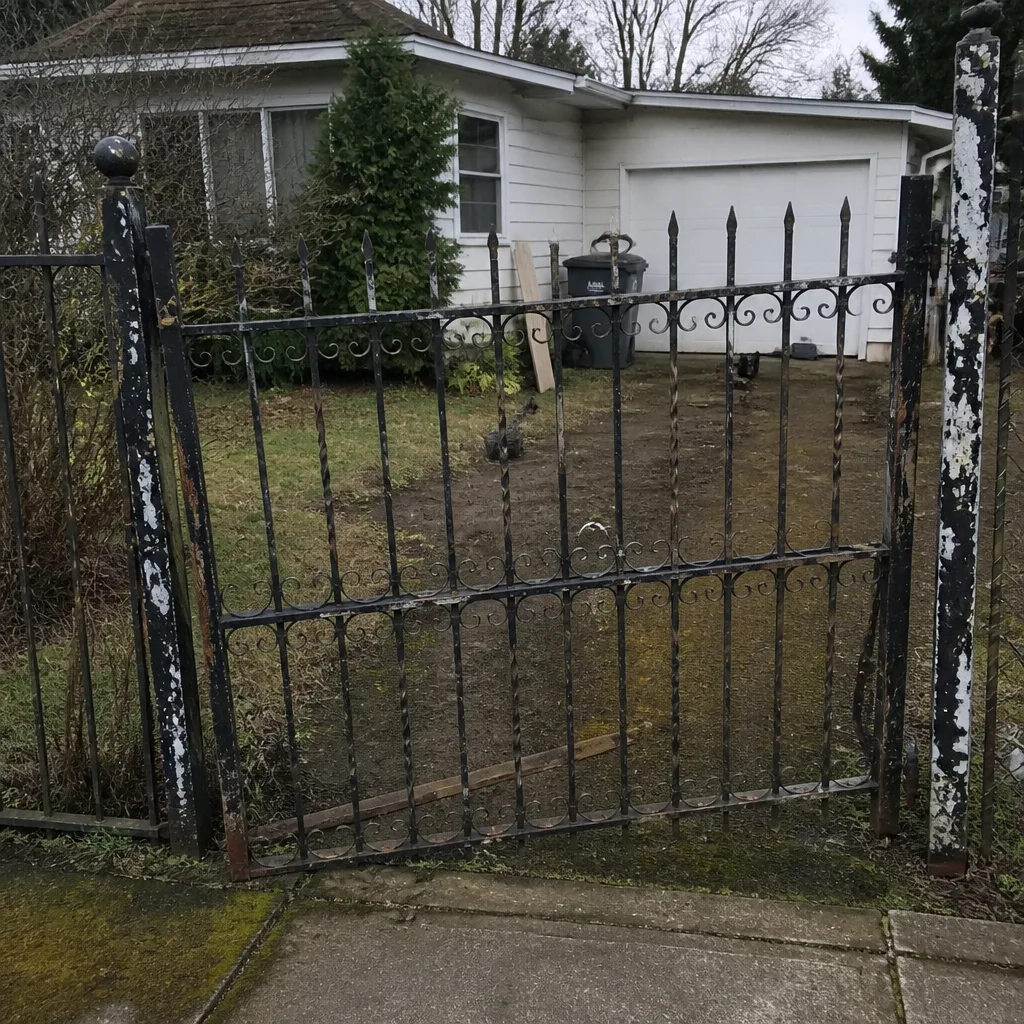 Before
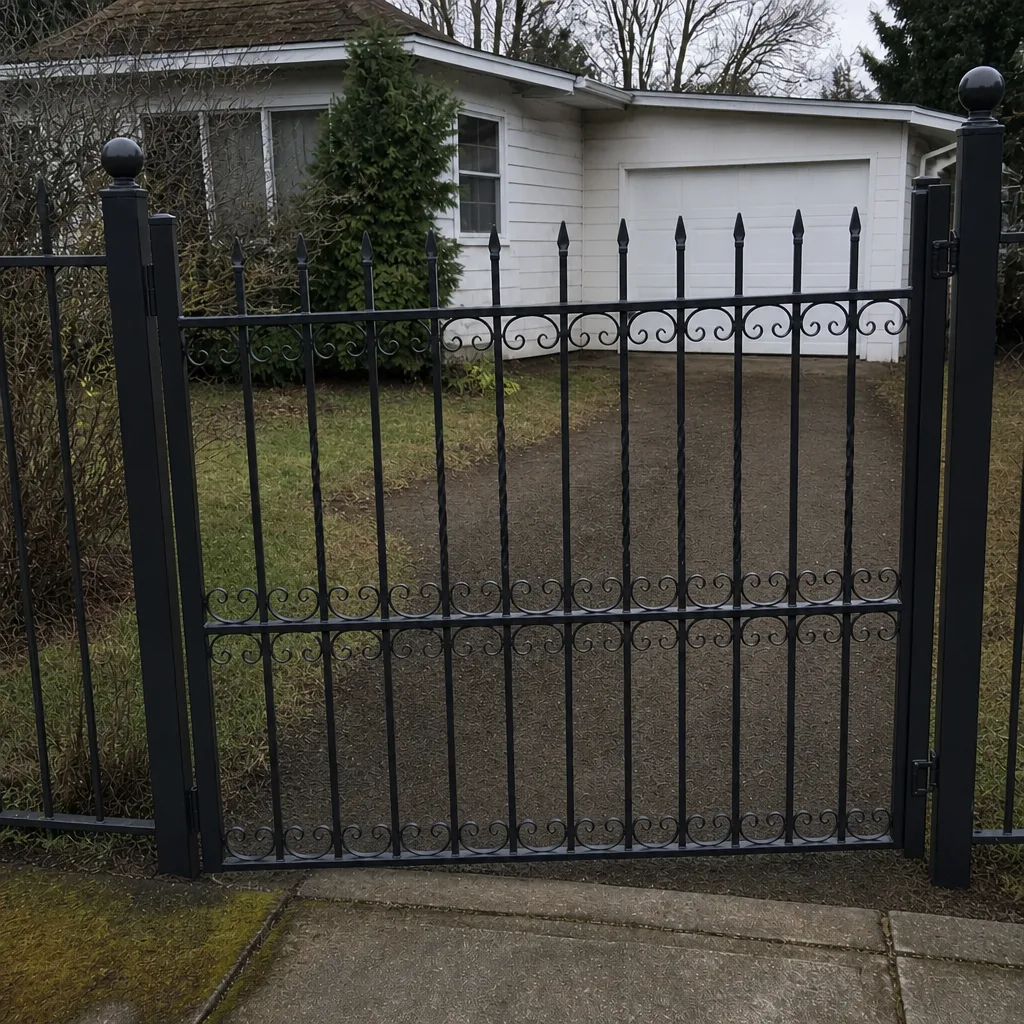 After
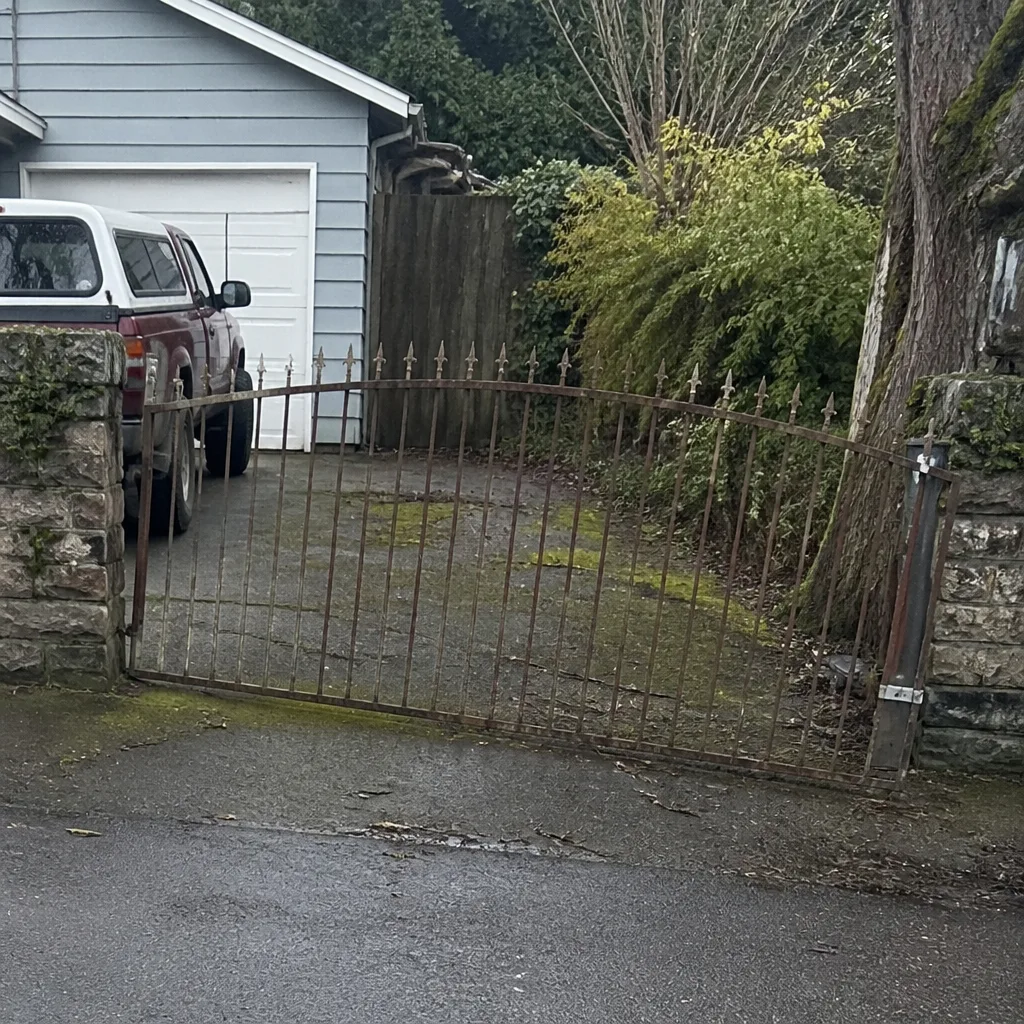 Before
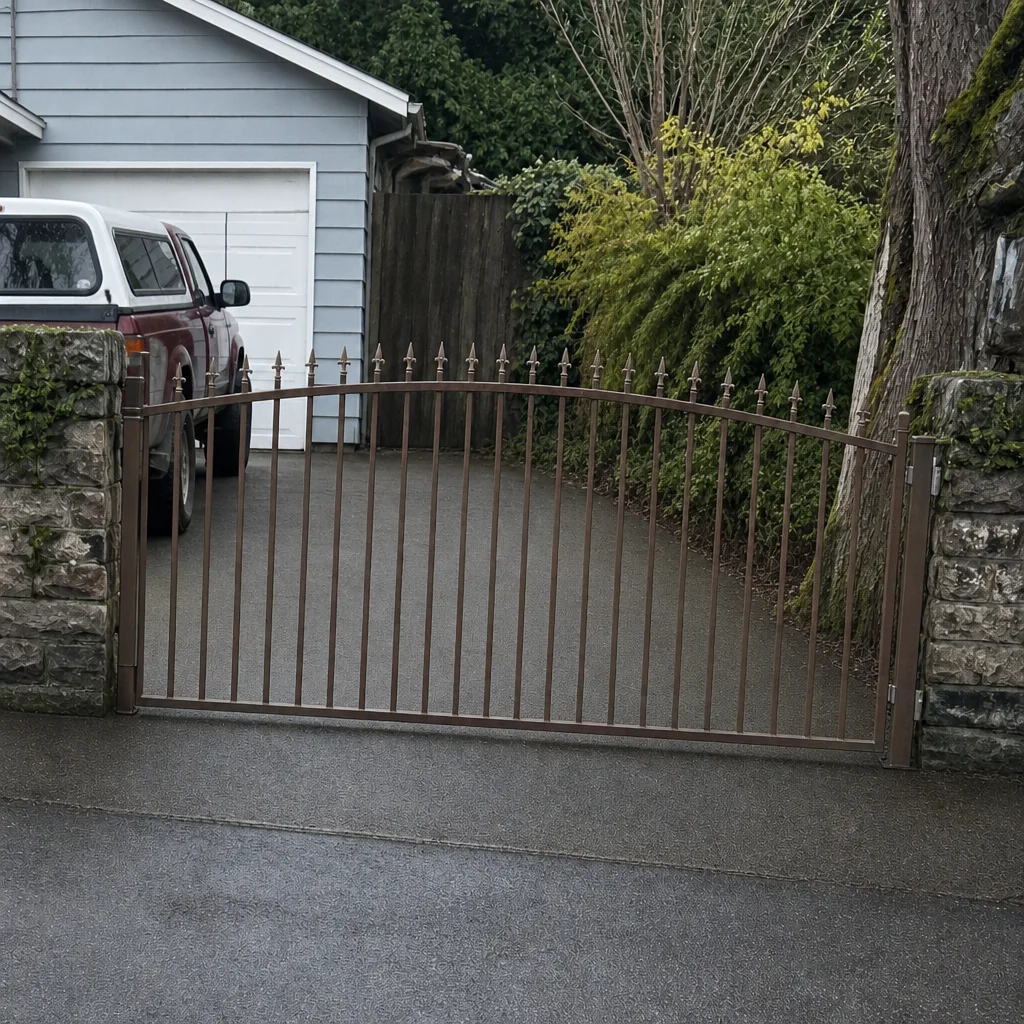 After
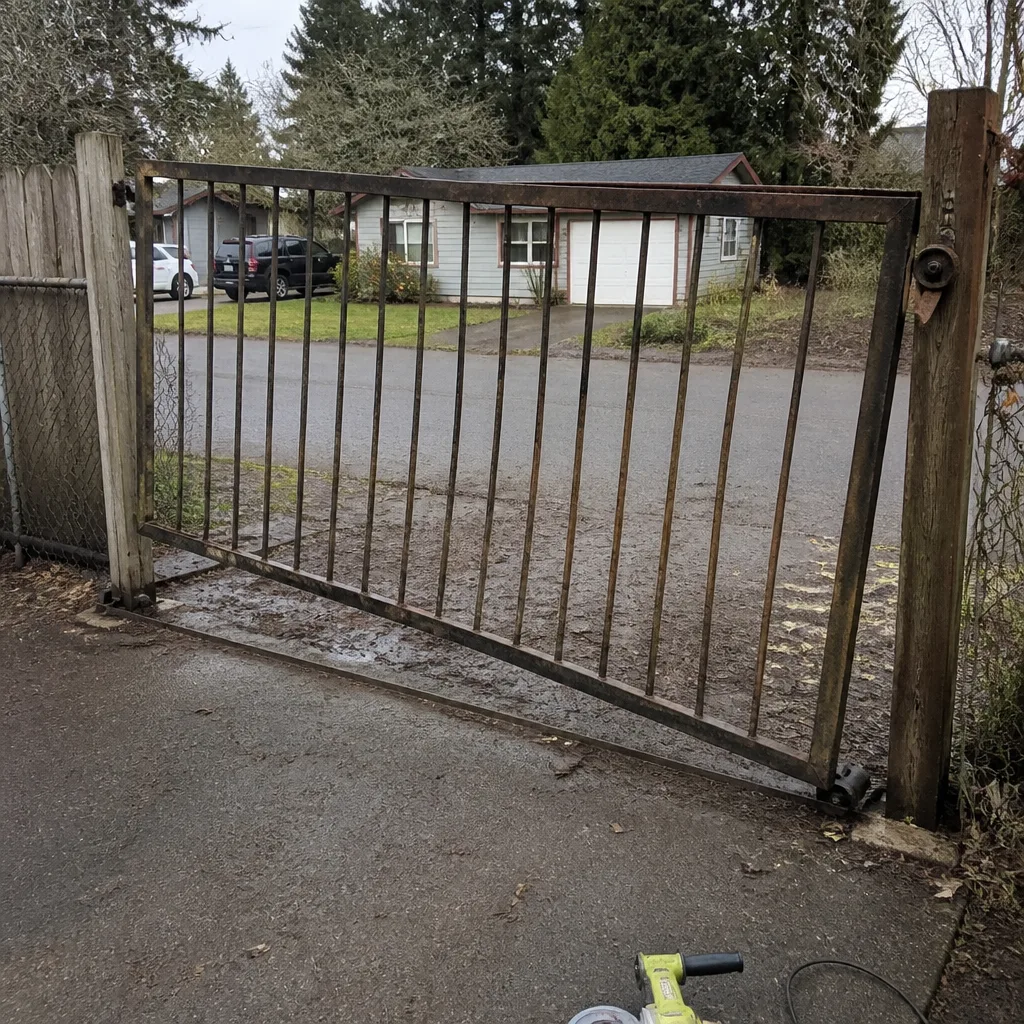 Before
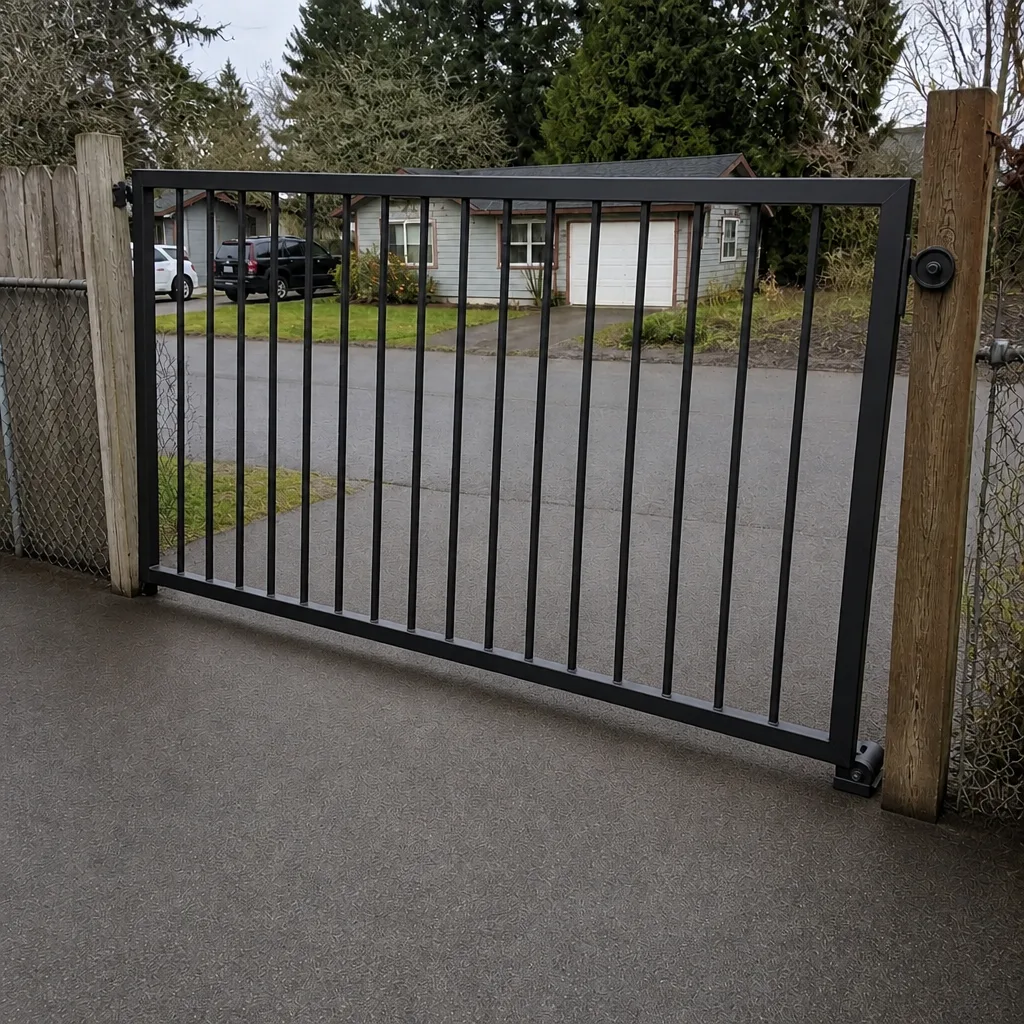 After